
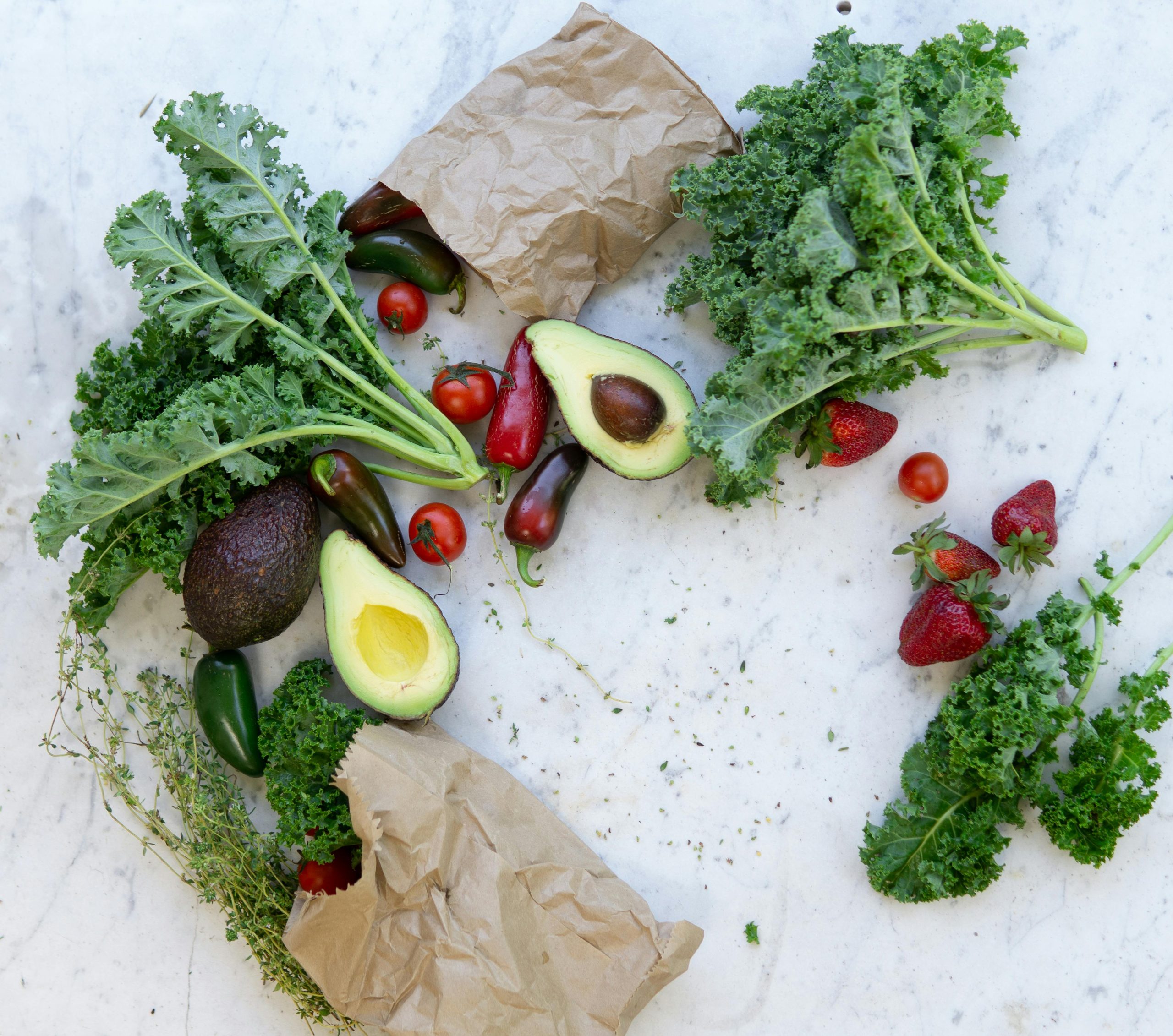
The Dirty Dozen
The “Dirty Dozen” is a list of fruits and vegetables, compiled by the Environmental Working Group (EWG), that you should eat organically to minimize your exposure to pesticides.
By opting for organic versions, you can significantly reduce your exposure to these harmful chemicals while also supporting sustainable farming practices.
Below, you’ll find the “Dirty Dozen” list, alongside the “Clean Fifteen,” which highlights produce with the lowest pesticide residues.
DIRTY DOZEN
- Strawberries
- Spinach
- Kale, Collards, and Mustard Greens
- Nectarines
- Apples
- Grapes
- Bell Peppers and Hot Peppers
- Cherries
- Peaches
- Pears
- Celery
- Tomatoes
CLEAN FIFTEEN
- Avocados
- Sweetcorn
- Pineapple
- Onions
- Papaya
- Sweet Peas (Frozen)
- Asparagus
- Honeydew Melon
- Kiwi
- Cabbage
- Mushrooms
- Mangoes
- Sweet Potatoes
- Watermelon
- Carrots
While the “Dirty Dozen” list can be alarming for consumers, it’s important to understand the overall benefits of eating fruits and vegetables, regardless of how they’re grown. Research consistently shows that the health advantages of consuming a diet rich in plant-based foods far outweigh the risks associated with pesticide exposure. Still, choosing organic for certain items on the “Dirty Dozen” list offers peace of mind, particularly for those concerned about long-term exposure to chemicals commonly used in conventional farming.
In contrast, the “Clean Fifteen” list includes fruits and vegetables that typically have lower pesticide levels, even when grown conventionally. This makes it easier for budget-conscious shoppers to prioritize which items to buy organic. For example, avocados and sweet corn, which top the list, have thick skins or husks that act as barriers, helping to shield the edible parts of the produce from pesticides.
Additionally, the use of organic farming practices doesn’t just benefit consumers; it also supports environmental health. Organic farming often relies on natural pest control methods, crop rotation, and composting, which can improve soil health, promote biodiversity, and reduce the overall impact of agriculture on ecosystems. By choosing organic options where possible, you’re not only making a choice for your personal health but also contributing to a more sustainable and eco-friendly food system.
Ultimately, whether you decide to buy organic or not, increasing your intake of fresh fruits and vegetables is one of the best decisions you can make for your health. The “Dirty Dozen” and “Clean Fifteen” lists simply offer a guide to help you make more informed choices, ensuring that you get the most nutritional value from your meals while minimizing potential risks.