

Nutrition for Cancer
Proper nutrition during cancer treatment is vital for retaining strength and energy. Trying your best to fuel your body with nutrient-dense foods can help ease the effects of treatment and fight infection. However, your diet regimen might look different before, during, and after treatment, and you may have varying appetite levels. Our team here at Holistic Wholeness is here to support you throughout this time and develop your individualized plan based on your type of cancer and treatment.
Each person is different, but our nutritional plans for cancer patients focus on:
Eating the Right Amount of Calories For You
40% of patients report noticeable weight loss after they are first diagnosed with cancer. Losing weight is also very prevalent during treatment. Getting enough calories throughout the day supports you with the energy you need to help fight this disease and reduce the side effects of treatment. If you need to avoid weight loss during treatment, try implementing healthy snacks between meals and eating calorically dense recipes.
Some individuals who are obese may need to lose weight for their treatment. It is most beneficial to lose weight sustainably in these circumstances to keep up your stamina. Whether you need to be in a caloric surplus or deficit, we will develop a specialized nutritional plan to give you the strength you need.
Eating Plant-Based Foods
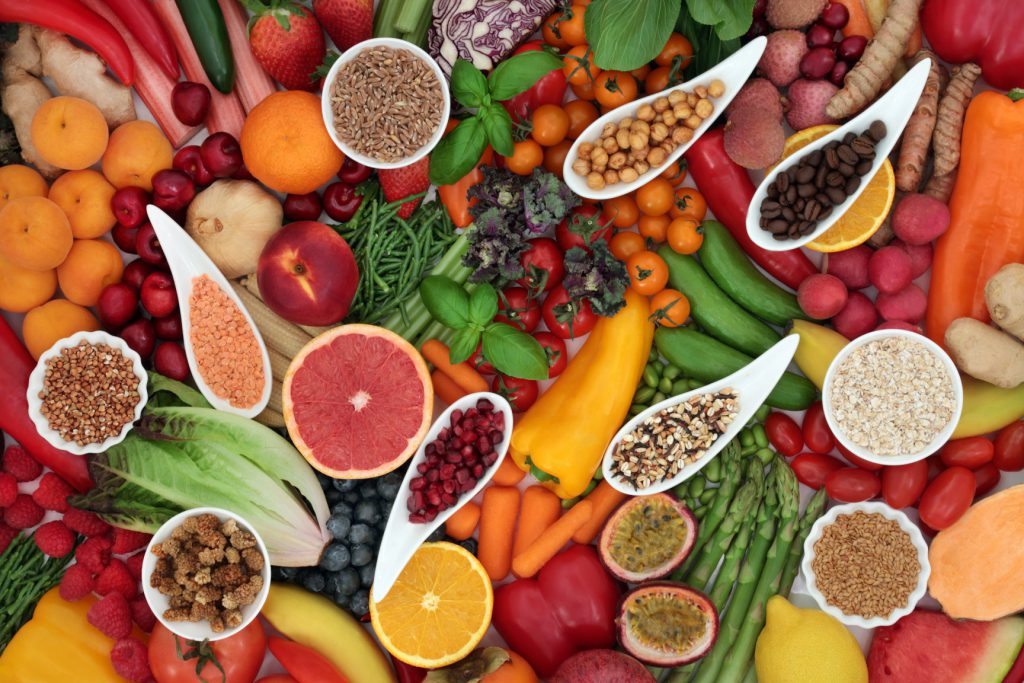
The American Cancer Society suggests implementing more plant-based foods into your regimen to avoid extra inflammation in your body. When you consume plants, they produce phytochemicals that can protect cells from damage and reduce inflammation.
The Importance of Protein
Protein is the macronutrient that our bodies need for maintaining, repairing, and growing muscles and connective tissues. Losing muscle or muscle wasting is a common side effect of cancer and treatment. Ensuring that you are getting enough exercise and protein in your diet each day reduces the risk of losing muscle and keeping a healthy weight. The rule of thumb for the amount of protein that is sufficient is .8 grams per kilogram of bodyweight (1kilogram = 2.2 pounds). However, each patient is different, and our team will develop a specific regimen to ensure you’re getting an adequate amount of protein-based on the type of cancer and treatment.
Your program is individualized, so there is no cookie-cutter approach to eating for all individuals. Comprehensive testing to uncover the root causes and contributing factors to your health issues is a critical part of our plan to help prevent recurrences and to maximize quality of life. Call our office for a consultation to go over an individualized nutritional plan that works best with your type of cancer and treatment. Our team is here to support you throughout this process!