3-Day Detox Plan
Here’s a 3-day detox meal plan tailored to be autoimmune-friendly and compliant with functional medicine principles. This plan emphasizes anti-inflammatory, nutrient-dense foods while avoiding common triggers for autoimmune symptoms.
Day 1
Breakfast:
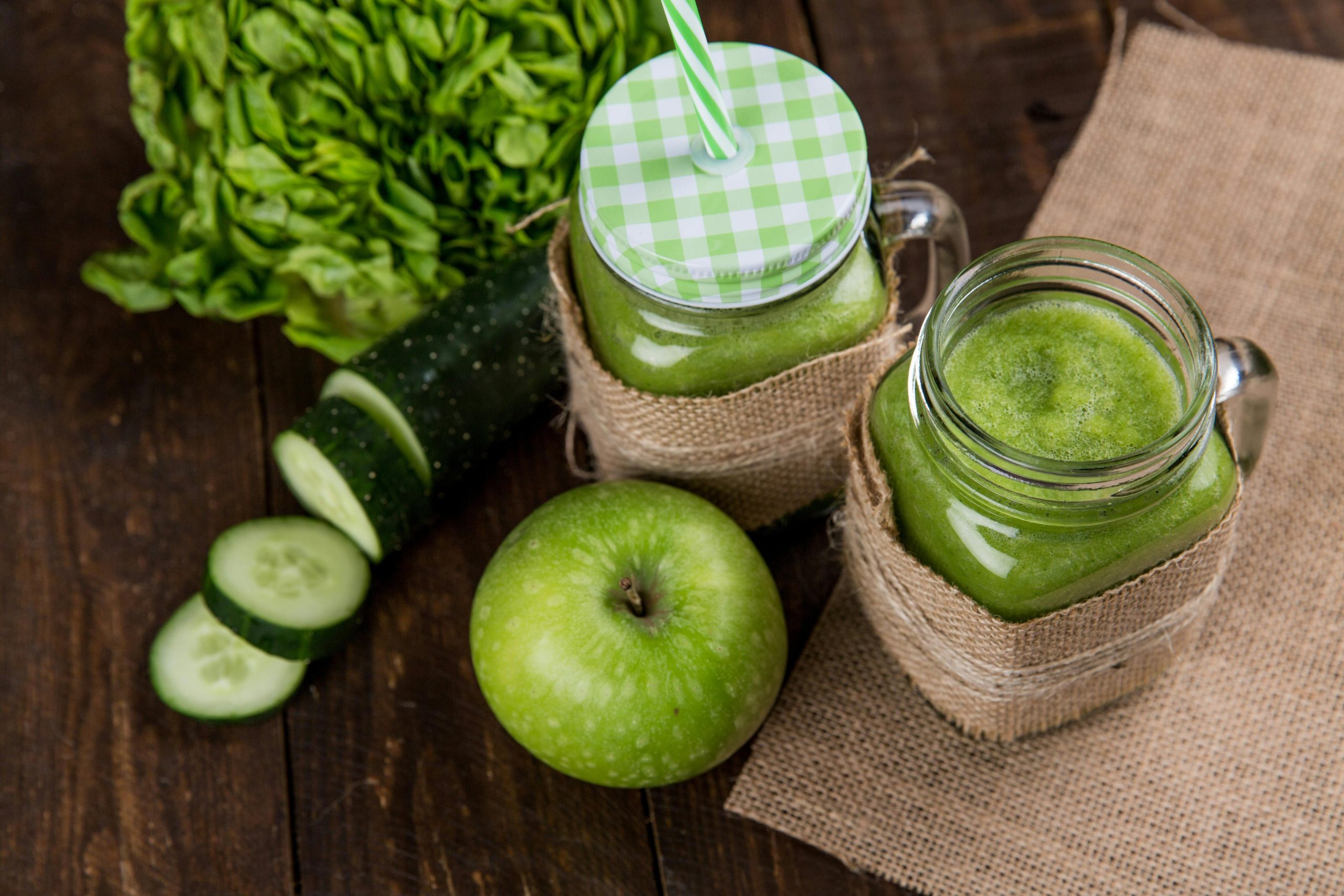
Green Smoothie Bowl
- Ingredients: Spinach, kale, cucumber, green apple, avocado, coconut milk, chia seeds.
- Why: Spinach and kale are rich in vitamins A, C, and K, and have anti-inflammatory properties. Avocado provides healthy fats, and chia seeds offer fiber and omega-3 fatty acids.
Lunch:
Quinoa and Veggie Salad
- Ingredients: Quinoa, mixed greens (arugula, spinach), cherry tomatoes, cucumber, bell peppers, olive oil, lemon juice, fresh herbs (parsley, cilantro).
- Why: Quinoa is a complete protein and gluten-free, suitable for autoimmune diets. Mixed greens and veggies are packed with antioxidants and anti-inflammatory compounds. Olive oil and lemon juice support healthy digestion and provide essential fats.
Dinner:
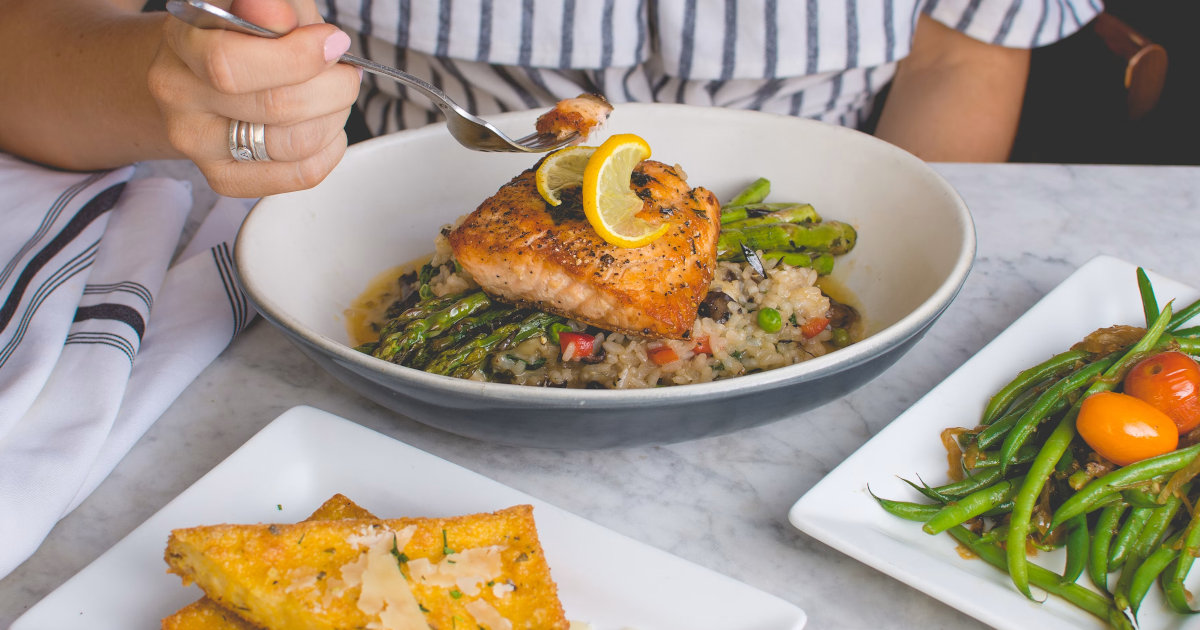
Baked Salmon with Asparagus and Sweet Potatoes
- Ingredients: Wild-caught salmon, asparagus, sweet potatoes, coconut oil, sea salt, black pepper, fresh dill.
- Why: Salmon is rich in omega-3 fatty acids, which reduce inflammation. Asparagus and sweet potatoes are nutrient-dense, providing vitamins and minerals essential for immune function.
Day 2
Breakfast:
Chia Pudding with Berries
- Ingredients: Chia seeds, almond milk, mixed berries (blueberries, strawberries, raspberries), a dash of cinnamon.
- Why: Chia seeds are high in fiber and omega-3s. Berries are low in sugar and high in antioxidants. Cinnamon has anti-inflammatory properties.
Lunch:
Chicken and Avocado Lettuce Wraps
- Ingredients: Organic chicken breast, avocado, lettuce leaves (butter lettuce or romaine), shredded carrots, purple cabbage, lime juice, fresh cilantro.
- Why: Organic chicken provides lean protein. Avocado offers healthy fats, while the variety of vegetables contributes to a broad spectrum of nutrients and antioxidants.
Dinner:
Zucchini Noodles with Pesto and Grilled Chicken
- Ingredients: Zucchini (spiralized), basil pesto (basil, pine nuts, olive oil, garlic), grilled organic chicken breast, cherry tomatoes.
- Why: Zucchini noodles are a low-carb, nutrient-dense alternative to pasta. Basil pesto contains healthy fats and anti-inflammatory herbs. Grilled chicken adds protein.
Day 3
Breakfast:
Turmeric Smoothie
- Ingredients: Turmeric, ginger, banana, pineapple, coconut milk, a pinch of black pepper.
- Why: Turmeric and ginger are powerful anti-inflammatory agents. Pineapple contains bromelain, which aids digestion. Black pepper enhances the bioavailability of curcumin in turmeric.
Lunch:
Butternut Squash Soup
- Ingredients: Butternut squash, carrots, celery, onion, garlic, coconut milk, turmeric, black pepper, sea salt.
- Why: Butternut squash is high in vitamins A and C. Coconut milk provides healthy fats, and the spices contribute anti-inflammatory benefits.
Dinner:
Turkey and Vegetable Stir-Fry
- Ingredients: Ground turkey, broccoli, bell peppers, snap peas, carrots, coconut aminos (soy sauce alternative), garlic, ginger, sesame oil.
- Why: Ground turkey is a lean protein source. A variety of colorful vegetables ensures a range of vitamins and minerals. Coconut aminos are a gluten-free, soy-free alternative to soy sauce.
Snacks (for all days)
- Sliced Cucumbers with Hummus: Cucumbers are hydrating and low in calories. Hummus provides plant-based protein and healthy fats.
- Apple Slices with Almond Butter: Apples offer fiber and vitamins, while almond butter provides healthy fats and protein.
- Mixed Nuts and Seeds: A mix of almonds, walnuts, and pumpkin seeds offers protein, healthy fats, and important micronutrients.
Functional Medicine Principles:
- Anti-inflammatory foods: Emphasize foods known to reduce inflammation, such as leafy greens, fatty fish, and turmeric.
- Nutrient density: Prioritize foods rich in essential vitamins, minerals, and antioxidants to support overall health and immune function.
- Gut health: Include probiotics (fermented foods) and prebiotics (fiber-rich vegetables) to promote a healthy gut microbiome.
- Avoiding common triggers: Eliminate foods known to exacerbate autoimmune symptoms, such as gluten, dairy, refined sugars, and processed foods.
This plan aims to support the body’s natural detoxification processes, reduce inflammation, and provide comprehensive nutrition to aid in the management of autoimmune conditions.