

What to eat after a killer workout

Wondering What to Eat After that Killer Workout?

Your post-workout meal can make a big difference in recovery and results. You need fuel to function, and you need to function to see successes.

Remember these quick tips next time you reach for a post-exercise nosh:

1. After breaking a sweat, your muscles crave protein for repair and growth. Opt for lean sources like chicken, fish, hemp tofu, or plant-based options.

2. Carbs are your energy replenishers. Whole grains, sweet potatoes, or fruits help restore glycogen levels for your next workout.

3. Don’t forget to hydrate!

4. Balance the above options for best results! A protein smoothie with fruits and veggies can do wonders.

5. Try to refuel within 30 minutes to 2 hours post-workout for optimal recovery.

Remember, your body is your temple, and the right nutrition is your secret weapon!

Want to make sure you’ve got the best exercise and nutrition plan for your unique needs? Contact our team!
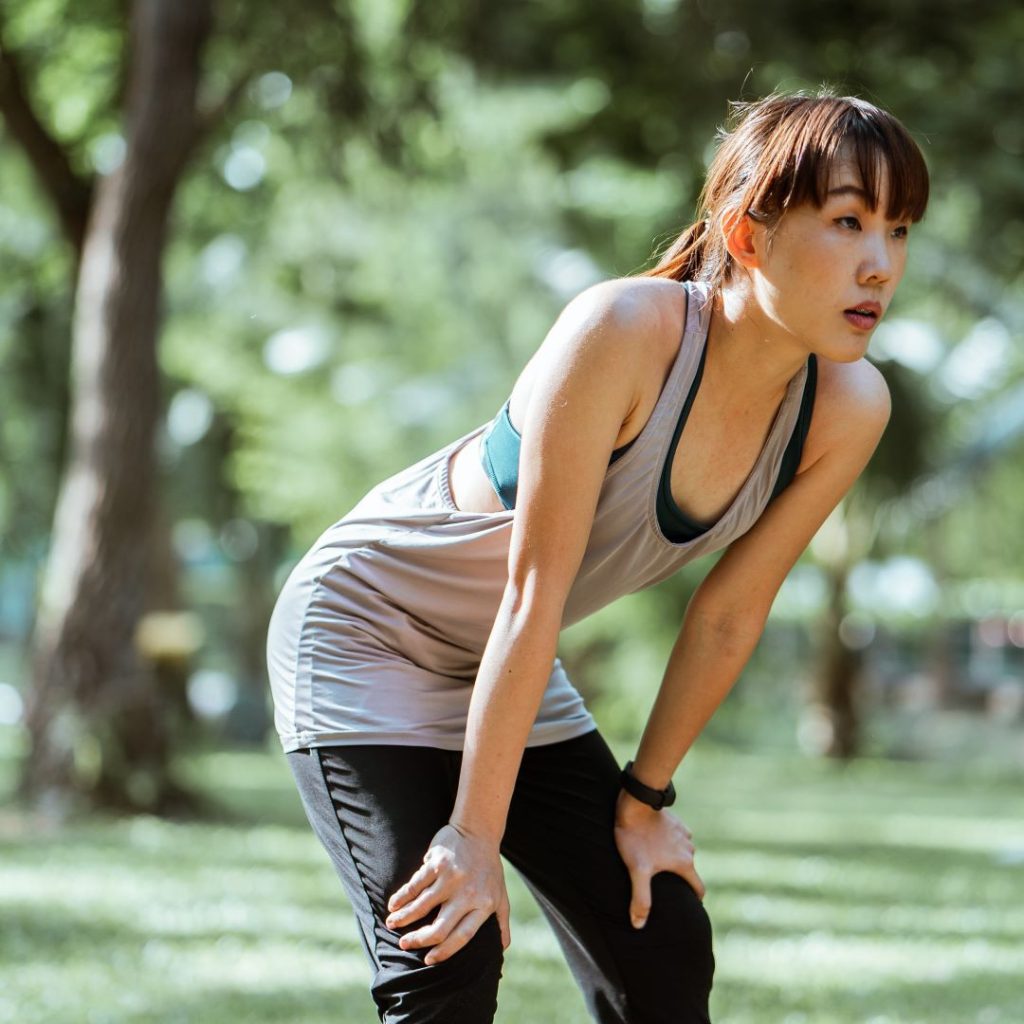

A woman in athletic wear leans forward with hands on knees, catching her breath in a park setting.

Recent Posts

Understanding Detox: What Your Body Is Already Doing

Understanding Detox: What Your Body Is Already Doing

Many people think of detox as a short cleanse or a strict reset, but the body is actually detoxifying all the time. Every day, your liver processes chemicals, your kidneys filter waste, your digestive tract eliminates toxins, your skin releases compounds through sweat, and your lymphatic system helps move waste…

Supplements & Habits That Can Mimic GLP-1 Naturally

Supplements & Habits That Can Mimic GLP-1 Naturally

How to Support Blood Sugar, Reduce Cravings, and Feel Fuller—Without Medication If you’ve been hearing about GLP-1 medications for weight loss and blood sugar control, you’re not alone. Drugs like Ozempic and Wegovy are designed to mimic a natural hormone in your body called GLP-1 (glucagon-like peptide-1)—which plays a major…

A Holistic Approach to Managing Hypothyroidism

A Holistic Approach to Managing Hypothyroidism

Did you know that 90% of hypothyroidism cases in the U.S. are due to an autoimmune disease, primarily Hashimoto’s thyroiditis? Despite this, most doctors don’t test for Hashimoto’s because it doesn’t change the standard treatment, which usually involves prescription medications. However, even if thyroid medications help normalize TSH (thyroid stimulating…

How Gut Health Impacts Autoimmune Conditions

How Gut Health Impacts Autoimmune Conditions

Autoimmune diseases, where the immune system attacks your own tissues, are notably common, especially among women. Some examples include: While autoimmunity was once thought to be primarily genetic, recent research highlights the crucial role of gut health in its development. A condition known as “leaky gut” occurs when the intestinal…

Holistic Wellness Institute

Free Wellness Webinar

This fun, informative, and useful lecture is a great opportunity to learn more about how functional medicine gets to the root of the problem to transform bodies and lives.